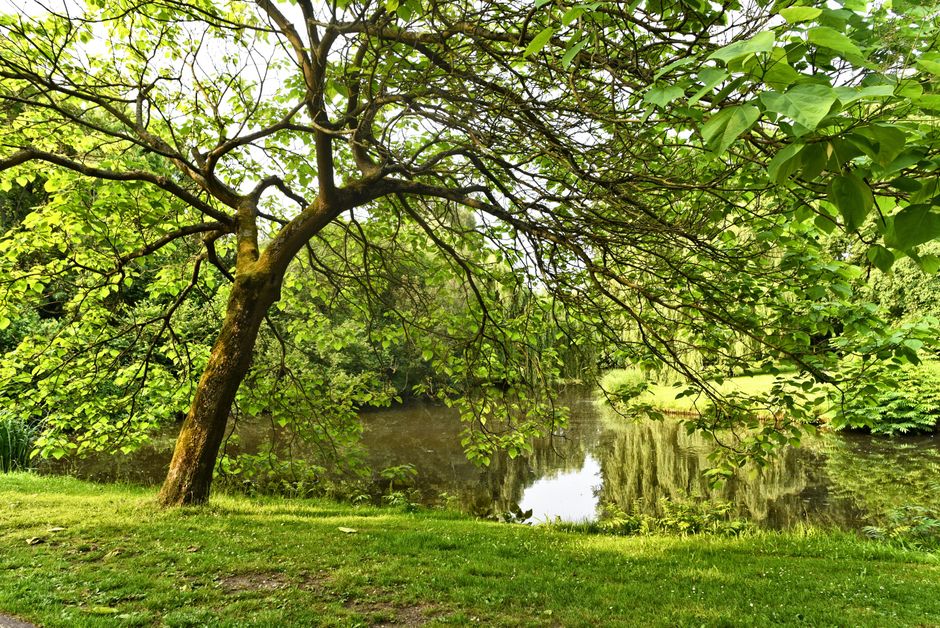
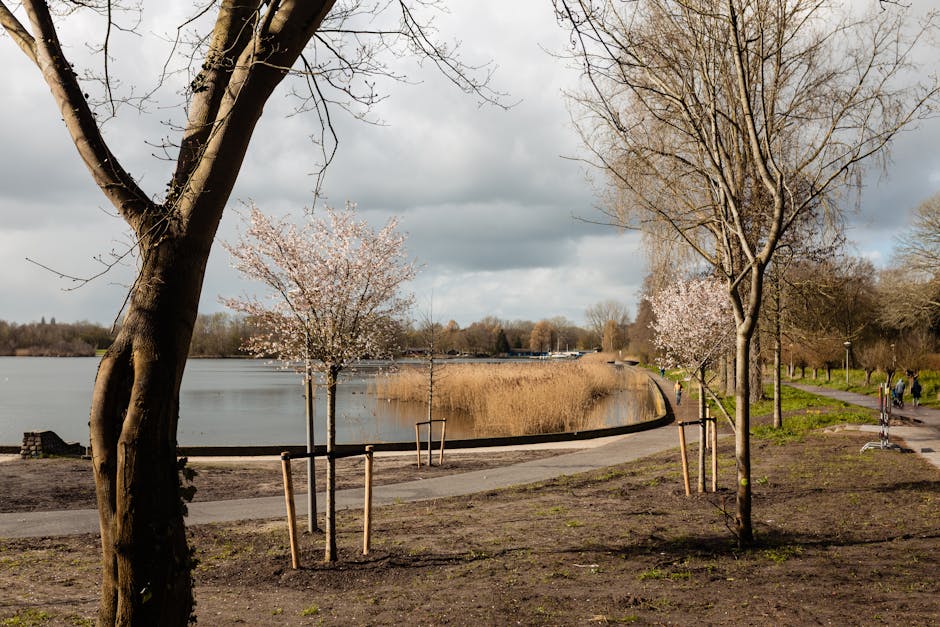
Before and after tree pruning at Carshalton Ponds gardeners case study
If you have ever looked at an overgrown tree and wondered whether pruning will actually make a visible difference, you are not alone. A proper Before and after tree pruning at Carshalton Ponds gardeners case study is one of the easiest ways to understand what good tree care really changes: light, shape, safety, airflow, and the feel of the whole garden. At Carshalton Ponds, where trees can frame paths, ponds, lawns, fences, and tucked-away seating areas, pruning is rarely just about "tidying up". It is about balance. And sometimes, to be fair, a tree that looks impossible on Monday can feel completely different by Friday.
In this guide, we will walk through what tree pruning actually involves, why the before-and-after result matters so much, how a real pruning job is normally planned, and what homeowners should watch for if they are comparing options. We will also cover practical benefits, common mistakes, the right kind of expectations, and a simple checklist you can use before booking work. If you want a broader view of local upkeep, it can also help to explore garden maintenance services and the wider services overview so you can see how pruning fits into a full garden care plan.
Table of Contents
- Why Before and after tree pruning at Carshalton Ponds gardeners case study Matters
- How Before and after tree pruning at Carshalton Ponds gardeners case study Works
- Key Benefits and Practical Advantages
- Who This Is For and When It Makes Sense
- Step-by-Step Guidance
- Expert Tips for Better Results
- Common Mistakes to Avoid
- Tools, Resources and Recommendations
- Law, Compliance, Standards, or Best Practice
- Options, Methods, or Comparison Table
- Case Study or Real-World Example
- Practical Checklist
- Conclusion
- Frequently Asked Questions
Why Before and after tree pruning at Carshalton Ponds gardeners case study Matters
The phrase "before and after" sounds simple, but in tree work it tells you a lot. A tree can move from heavy and unbalanced to open and well-proportioned without losing its character. That difference is what makes a pruning case study so useful. You can judge the real impact, not just the promise.
At a local level, especially around a place like Carshalton Ponds, tree pruning often affects more than the tree itself. It can change how much sunlight reaches a lawn, whether a footpath feels enclosed, how easy it is to maintain nearby planting, and even whether fallen twigs and leaf litter become a nuisance. Small changes, big ripple effects. That's usually how it goes.
A good case study also helps people spot the difference between cosmetic cutting and proper arboricultural judgement. There is a world of difference between hacking back growth and making measured pruning cuts that support future health. One looks dramatic for a week; the other keeps paying off season after season.
Expert summary: A strong pruning result should look natural, not "chopped". The best before-and-after changes usually improve light, structure, and safety without leaving the tree stressed or oddly bare.
If you are comparing garden services more broadly, it is worth understanding how pruning complements hedge trimming, lawn mowing, and garden clearance. In real gardens, these tasks overlap more than people expect.
How Before and after tree pruning at Carshalton Ponds gardeners case study Works
Tree pruning starts with a simple question: what needs to change, and why? A gardener or tree specialist will usually assess the tree from several angles before making the first cut. They will look at the species, shape, growth pattern, deadwood, crossing branches, overextended limbs, and any signs of damage or disease. Some trees tolerate pruning well. Others, not so much. That distinction matters.
The "before" stage is about reading the tree properly. Maybe the canopy is too dense, blocking light from a seating area. Maybe one side is leaning over a path or rubbing against a fence. Maybe low branches are making a garden feel cramped. Or maybe the tree is just getting messy in a way that makes regular maintenance harder than it should be.
The "after" stage should not mean stripped-back or over-reduced. A well-pruned tree still looks like itself. It just looks lighter, cleaner, and more controlled. You will often notice more sky through the branches, a tidier silhouette, and less clutter on the ground after a windy spell.
In practical terms, pruning work usually follows a sequence:
- Inspection of the tree and surrounding area.
- Identification of dead, damaged, crossing, or poorly placed branches.
- Selection of the most suitable pruning method.
- Careful cutting to reduce risk and encourage healthy regrowth.
- Clear-up of green waste and final safety check.
That might sound straightforward, but good judgement is doing most of the work behind the scenes. Anyone can cut branches. Not everyone can leave a tree better than they found it.
Key Benefits and Practical Advantages
When pruning is done properly, the benefits are easy to see and, honestly, easy to feel. The garden often becomes brighter almost immediately. Air can move more freely around the tree, which helps reduce damp pockets in crowded spaces. A better-shaped canopy can also lower the chance of branches failing in windy weather. And if you have ever listened to a branch scraping a window all night in a gust, you know why that matters.
Some of the most common practical advantages include:
- Better natural light for patios, lawns, borders, and windows.
- Improved safety by removing weak or overextended limbs.
- Cleaner garden presentation with a more balanced canopy shape.
- Reduced interference with paths, fences, sheds, decking, or parked vehicles.
- Healthier future growth when crowded or damaged branches are removed early.
- Easier maintenance for surrounding planting and general garden care.
There is also a less obvious benefit: confidence. Once the tree has been assessed and tidied properly, homeowners usually stop worrying about "that branch" or "that awkward bit" every time it gets windy. That mental relief is real. Not dramatic, just real.
If pruning is part of a wider improvement plan, it can sit neatly alongside landscape gardening or even structural upgrades such as landscaping and decking services. When the tree is no longer overbearing, the rest of the garden starts breathing a bit easier too.
Who This Is For and When It Makes Sense
This kind of pruning case study is useful for several types of property owner. If your tree is shading a small garden more than you want, if branches are encroaching on neighbouring boundaries, or if the canopy has become lopsided after a season of strong growth, pruning may be the sensible next step. It is also worth considering if the tree is sitting near a pond, paved area, or seating zone where fallen debris becomes a constant nuisance.
In our experience, the people who benefit most from pruning are those who are not trying to make the tree disappear. They just want it managed properly. That includes:
- Homeowners with mature trees near living spaces.
- People preparing a garden for sale or rental presentation.
- Households that want more light on a lawn or patio.
- Gardeners dealing with awkward branch spread over paths or fences.
- Anyone combining pruning with routine upkeep through regular maintenance.
It may not be the right move if the tree is protected, in poor structural condition, or showing signs of major decay. In those situations, a proper inspection matters more than a quick cut. Better to pause and assess than to rush and regret it later.
A small but useful question to ask yourself is this: do you want a temporary tidy-up, or a longer-term improvement? The answer usually points you toward the right method.
Step-by-Step Guidance
If you are planning pruning around Carshalton Ponds, the safest way to think about it is as a managed process rather than a one-off chop. Here is a practical sequence that reflects how a careful job is usually handled.
1. Assess the tree and the setting
Start by identifying what the tree is doing to the space. Is it blocking light? Growing unevenly? Dropping debris into a seating area? Is the tree close to a structure or path? A good assessment takes in both the tree and the surrounding garden, because the after-result should make sense in context.
2. Decide what type of pruning is needed
Common approaches include crown thinning, crown lifting, deadwood removal, and selective reduction. The names can sound a bit technical, but the idea is simple: improve structure and reduce problem growth without overdoing it. A branch here, a branch there. Not a haircut gone rogue.
3. Plan the cuts carefully
Good pruning avoids random cutting. Each cut should have a reason. That might be to remove dead wood, reduce rubbing, or open up the canopy a little. The aim is to leave strong growth points and a balanced framework behind.
4. Complete the pruning safely
Safety is not just about ladders and gloves, although those matter. It is also about planning where branches will fall, protecting nearby surfaces, and working cleanly around obstacles. Around ponds, paved margins, or decking, this can be especially relevant because slips and debris can become annoying very quickly.
5. Clear waste and review the result
Once the cutting is done, the site should be cleared properly. Green waste, twigs, and sawdust should not be left behind to become a second job for you. Then the final shape should be reviewed from a few steps back. Trees often reveal their balance only when you stop staring at the branch you just cut.
If you are not sure whether a tree needs pruning or something more serious, a professional service such as tree lopping and removal can help you understand the difference between maintenance pruning and a higher-risk situation.
Expert Tips for Better Results
A few practical habits make a big difference to the final result. First, never prune just because a tree "looks a bit big". Size alone is not the issue; structure is. A well-shaped large tree can be safer and more attractive than a poorly cut smaller one.
Second, think about the season and the tree species. Some trees respond better at certain times of year, while others are more sensitive. That does not mean you need to become a botanist overnight, thankfully. It does mean timing should be considered rather than guessed.
Third, step back often during the work. Trees can look fine up close and oddly lopsided from a distance. Good pruners keep checking the overall silhouette as they go. It is a simple discipline, but it saves a lot of regret.
Fourth, keep the work proportionate. If the tree needs only selective reduction, do that. If it needs deadwood removal and light thinning, do that. Over-pruning can stress the tree and leave it looking thin, exposed, and a bit sorry for itself. No one wants that.
Finally, think of pruning as part of a living garden system. Once the tree is opened up, surrounding areas may need a little follow-up care. A light tidy to the lawn, perhaps some lawn mowing, and maybe even a pass through nearby borders. Small effort, nicer result.
Simple rule of thumb: if the pruning makes the tree look tidier but still natural, you are probably in the right zone. If it looks "manufactured", the cuts may have gone too far.
Common Mistakes to Avoid
Tree pruning is one of those jobs where a small mistake can linger for years. The most common error is removing too much too quickly. People sometimes see overgrowth and assume the solution is to reduce everything heavily. Usually it is not. Heavy reduction can weaken the tree's natural form and create an awkward flush of regrowth.
Another mistake is cutting without checking the tree's broader structure. Removing one branch can shift the balance of another. That is why experienced gardeners and tree workers look at the tree as a whole, not just the obvious problem limb.
Here are some pitfalls worth avoiding:
- Pruning in a rush with no clear plan.
- Taking off too much canopy at once.
- Ignoring deadwood because it is hidden higher up.
- Leaving stubs instead of clean, appropriate cuts.
- Overlooking nearby hazards such as glass, paving, and water features.
- Forgetting to clear debris properly after the work.
There is also the soft mistake of assuming all tree work is the same. It is not. Pruning, lopping, and removal serve different purposes, and mixing them up can lead to the wrong outcome. That is why a clear conversation before work starts is worth its weight in gold. Or at least in tidy garden space.
Tools, Resources and Recommendations
For a well-managed pruning job, the tools should suit the tree, the space, and the scale of work. The exact kit varies, of course, but a careful gardener will typically rely on hand saws, secateurs, loppers, clean cutting tools, protective equipment, and suitable access gear where needed. The point is not to collect tools like trophies. The point is to use the right one for the branch in front of you.
If you are a homeowner planning the work or preparing for a visit, the most useful "resource" is often a clear understanding of the garden itself. Photograph the tree from several angles, note what is bothering you, and mark any nearby features that need protection. That saves time and reduces confusion.
It can also help to review the company's approach to safety and site care. A professional provider should be comfortable discussing practical concerns such as access, waste handling, and how they protect paving or planted areas. Pages like health and safety policy, insurance and safety, and recycling and sustainability are useful signals that the team thinks beyond the cut itself.
For general budgeting and planning, pricing and quotes can help you understand how work is scoped. And if you want to read more about the team before booking, about us is usually the best place to start. Not glamorous, but useful.
Law, Compliance, Standards, or Best Practice
Tree work in the UK should always be approached carefully, especially where tree preservation, conservation considerations, boundary issues, or public access might come into play. You do not need to become a legal specialist, but you do need to avoid assumptions. If a tree is protected or the work affects shared land, further checks may be sensible before any pruning begins.
Best practice also means using safe methods, suitable equipment, and appropriate waste handling. A responsible contractor should work within sensible site controls, consider neighbours where relevant, and avoid creating unnecessary risk. Around a place like Carshalton Ponds, that matters more than people think, because paths, gardens, and water-adjacent spaces can be busy and awkward to work in.
From a homeowner's point of view, the key standards are simple:
- Ask what the pruning is intended to achieve.
- Make sure the tree is assessed before work starts.
- Check that waste will be removed or handled properly.
- Confirm that the work will not be excessive or indiscriminate.
- Choose a provider who can explain the plan in plain English.
Good practice is often about restraint. Not every tree needs dramatic intervention. Sometimes the best job is the one that preserves the tree, improves the garden, and leaves very little fuss behind.
Options, Methods, or Comparison Table
Different tree issues call for different approaches. The table below gives a simple comparison of common pruning-related methods and where they tend to fit best.
| Method | What it does | Best for | Typical effect |
|---|---|---|---|
| Crown thinning | Removes selected inner branches to reduce density | Dense canopies and light issues | More light and airflow, while keeping overall shape |
| Crown lifting | Raises lower branches | Paths, lawns, seating areas, access routes | Better clearance and a more open feel |
| Deadwood removal | Removes dead, damaged, or unsafe branches | Safety and tidy-up work | Cleaner appearance and lower risk of falling debris |
| Selective reduction | Shortens specific branches carefully | Overreach, imbalance, proximity to structures | Improved balance without overcutting |
| Tree removal | Fully removes the tree | Unsafe, failing, or unsuitable trees | Creates space but changes the garden permanently |
That last row is important. Not every "problem tree" should simply be pruned forever. Sometimes the right answer is reduction, and sometimes it is removal. A careful assessment decides that, not guesswork.
Case Study or Real-World Example
Here is a realistic example based on the sort of work a gardener might complete near Carshalton Ponds. Imagine a mature tree in a front garden where the canopy has become dense over time. The homeowner likes the tree and wants to keep it, but the lower branches are crowding the entrance path, dropping a lot of debris, and cutting out morning light from the front room. The branches are not failing, but the tree feels heavy and a little overbearing.
Before pruning, the tree looks almost tunnel-like from the path side. The canopy blocks the sky, and the garden feels a touch gloomy even on a bright day. After a careful pruning pass, the lower branches are lifted to improve access, some crossing and crowded growth is removed, and the canopy is lightly thinned to let in more daylight. The tree still reads as the same tree. It just feels more intentional. The path is easier to use, the room inside gets a bit more light, and the front garden no longer feels cramped.
That is the best kind of before-and-after result: visible enough to matter, subtle enough to look natural. Not a dramatic makeover for the sake of it. More like finally straightening a picture that has been hanging slightly wonky for years.
If the job is part of a larger outdoor refresh, a homeowner may combine it with garden tidying or broader improvement work through landscape gardening. If the space then needs clearing out, garden clearance can help reset the area properly.
Practical Checklist
Use this checklist before you book or carry out tree pruning. It keeps the job grounded and avoids the most common rush decisions.
- Identify what problem you want to solve: light, shape, safety, access, or all four.
- Check whether the tree is near a path, fence, building, or water feature.
- Look for dead, damaged, crossing, or low-hanging branches.
- Decide whether the goal is pruning, reduction, or something more serious.
- Ask how the final shape will be maintained over time.
- Confirm that waste removal and site clean-up are included or arranged.
- Review safety, insurance, and access arrangements before work starts.
- Make sure the result will still look natural, not overly cut back.
- Plan any follow-up garden care, such as tidying borders or mowing.
That sounds simple, and it is. But simple planning saves expensive mistakes. Every time.
Conclusion
A strong before-and-after tree pruning result is never just about appearance. It is about making a tree fit its setting better, giving the garden more light and breathing room, and reducing the everyday annoyances that creep up when growth is left unmanaged. Around Carshalton Ponds, where the garden setting can feel both calm and closely lived-in, that kind of improvement is genuinely valuable.
The best pruning work is careful, selective, and respectful of the tree. It improves what needs improving and leaves the rest alone. That balance is what separates good garden care from a rushed cut-and-hope approach. If you are planning your next step, start with clarity: what do you want the tree to do for the space after the work is done?
Get a free quote today and see how much you can save.
And if you want to understand the people behind the work, or make sure the rest of your garden is kept in good shape too, it is worth exploring the team, the service range, and the practical support around it. A well-kept garden rarely happens by accident, but it does feel effortless when the right hands have been there.
Frequently Asked Questions
What does a before and after tree pruning case study actually show?
It shows the visible and practical difference pruning makes to a tree and its surroundings. That usually includes improved shape, more light, better access, and a tidier overall garden.
How do I know if my tree needs pruning or removal?
If the tree is healthy but overgrown, imbalanced, or blocking light, pruning is often enough. If it is structurally unsafe, badly decayed, or unsuitable for the space, removal may be more appropriate after inspection.
Will pruning damage my tree?
Proper pruning should not damage a healthy tree. The risk comes from overcutting, poor timing, or removing the wrong branches. That is why careful assessment matters more than just cutting back growth.
How long does it take to see the benefits after pruning?
Some benefits are immediate. You can often see more light, better shape, and a cleaner outline straight away. Other benefits, such as improved structure and future growth, become clearer over time.
Is tree pruning good for wildlife?
It can be, if done thoughtfully and not too aggressively. Leaving the tree healthy and well-structured helps preserve habitat while reducing unsafe or excessive growth. Timing and sensitivity are important.
Can I prune a tree myself?
Small, low-risk tasks may be manageable for a confident homeowner, but anything involving height, awkward access, heavy limbs, or uncertainty about tree health is better left to a professional. Trees can be deceptive. They look calm until they are not.
What is the difference between crown thinning and crown reduction?
Crown thinning removes selected inner branches to reduce density, while crown reduction shortens the canopy overall to reduce spread or height. They solve different problems and should not be treated as the same thing.
How often should trees be pruned?
That depends on the species, age, location, and purpose of the work. Some trees need only occasional attention, while others benefit from regular maintenance. A site-specific check is always better than guessing.
Do I need permission before pruning a tree?
Sometimes, yes. If a tree is protected or sits in a sensitive location, extra checks may be needed. It is sensible to confirm this before any work begins, especially if the tree is large or prominent.
What should I expect from a professional pruning service?
You should expect a clear explanation of the plan, safe working practices, appropriate pruning methods, tidy waste removal, and a result that looks balanced rather than overdone.
What happens to the waste after pruning?
Usually the branches, twigs, and green waste are collected and removed or processed according to the provider's waste handling approach. It is worth confirming this at the quotation stage so there are no surprises.
Can pruning help if my garden feels too shaded?
Yes, pruning is one of the most effective ways to let more light into a garden without losing the tree entirely. In many cases, that single change transforms the feel of the whole space.